

When people think about selling their homes, spring usually comes to mind. The weather is warming up, yards are looking their best, and there's a general feeling that it's the season when everyone starts thinking about moving.
But life doesn't always follow the real estate calendar.
Maybe you've accepted a new job, you're preparing for a relocation, or you've simply decided that now is the right time to make a change. Whatever the reason, you may find yourself considering selling your home in November or December and wondering whether you should wait until the holidays are over.
While the holiday season comes with some unique considerations, it doesn't automatically mean you should put your plans on hold. What matters more is your personal timeline, the condition of your home, your pricing strategy, and how prepared you are for the selling process.
If you're thinking about listing before the end of the year, here's where I'd recommend focusing your time and attention.
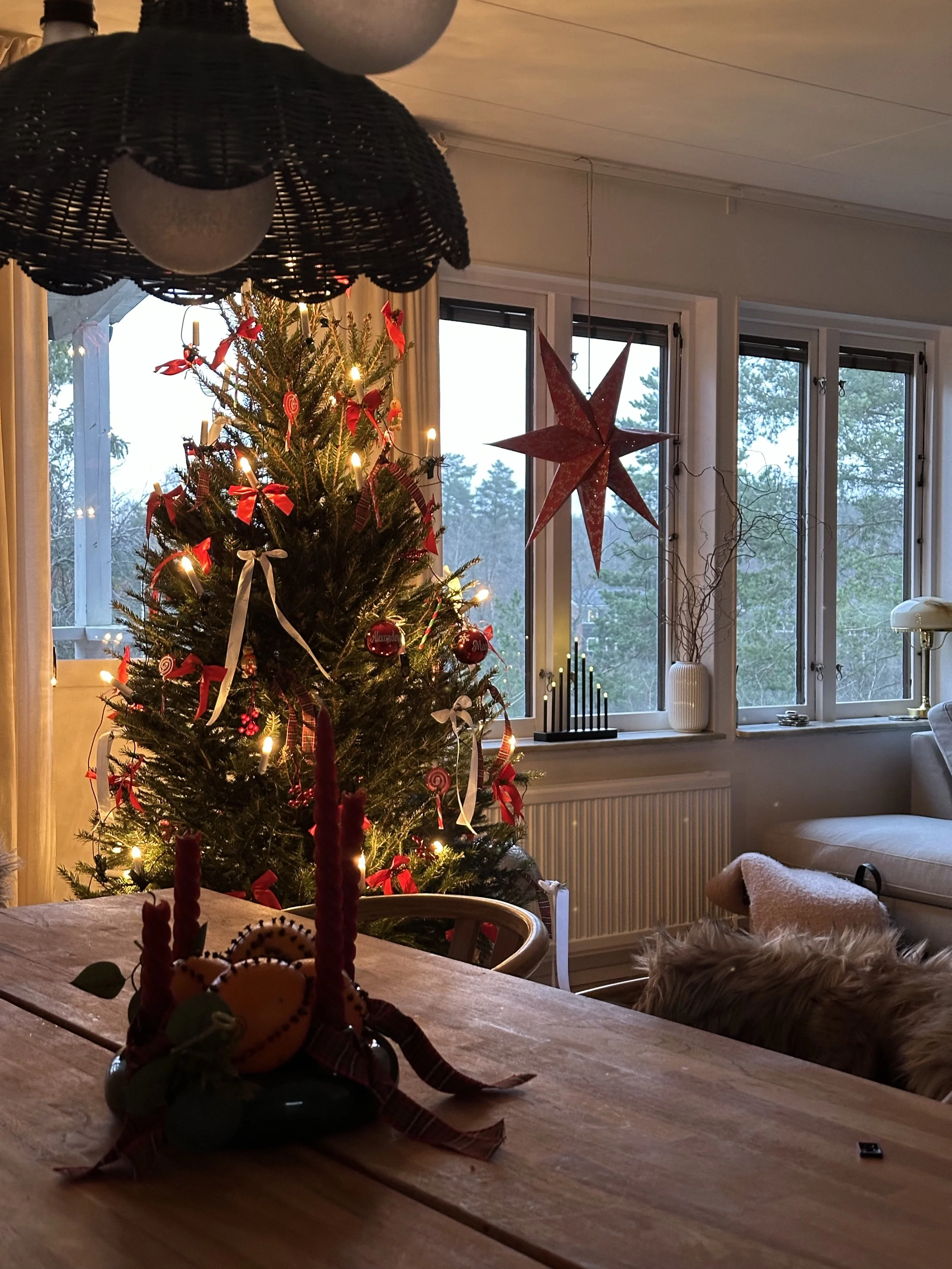
Selling during the holidays doesn't mean putting your life on hold or completely changing the way you enjoy your home.
Start With the Things Buyers Will Notice First
Before you start thinking about major improvements, take a look at your home through the eyes of someone seeing it for the first time.
When you've lived somewhere for years, it's easy to stop noticing the little things. Maybe there's a scuffed wall in the hallway, a cabinet door that doesn't close properly, or landscaping that needs some attention. None of those things may bother you anymore, but buyers are walking through with fresh eyes.
I always encourage sellers to start with the basics. A thorough cleaning, fresh landscaping, minor repairs, and a little decluttering can make a noticeable difference in how a home presents itself. You don't necessarily need to replace countertops, renovate bathrooms, or spend thousands of dollars getting ready to sell.
In fact, I'd rather have a conversation about which improvements are worth making before you spend money on projects that may not provide much benefit.
Every property is different, and the goal is to make your home look well cared for while being thoughtful about where your money goes.
Don't Let Holiday Decorations Take Over the House
I love a beautifully decorated home during the holidays, and there's no reason you have to pack away every seasonal decoration just because you're selling.
But there is a difference between decorating for your family and preparing a home for buyers to tour.
When someone walks through your house, I want them to notice the rooms, the natural light, the layout, and the features that make the property appealing. If every surface is covered with decorations or a large Christmas tree makes the living room feel smaller, it can become more difficult for buyers to appreciate the space itself.
That doesn't mean your home needs to feel empty or impersonal. A simple wreath on the front door, greenery on the mantel, or a few tasteful decorations can create a warm, welcoming atmosphere without distracting from the house.
I'd also think about how your decorations will appear in listing photos. Those pictures may still be online after the holidays, depending on how long your home is available. Keeping the seasonal details understated can help the photos remain appealing beyond December.
The goal isn't to take the joy out of decorating. It's simply to make sure the house remains the focus.
Good Photography Matters, Especially This Time of Year
Listing photos are often the first introduction buyers have to your home. Before anyone schedules a showing, they're likely scrolling through pictures and deciding whether the property deserves a closer look.
That's why I believe professional presentation is important regardless of when you list.
During the fall and winter months, we have fewer daylight hours, and the landscaping may look different than it does during the spring. That doesn't mean your home can't photograph beautifully. It just means we need to be thoughtful about timing, lighting, and preparation.
Opening blinds, making sure light fixtures are working, clearing unnecessary items from countertops, and arranging furniture to show off the space can all help a home photograph well. Outside, simple things like removing leaves from walkways, tidying the porch, and keeping the lawn maintained can improve that first impression.
Here in Middle Georgia, we often enjoy some beautiful fall weather well into November, so there's still an opportunity to capture inviting exterior photos.
A home doesn't need blooming flower beds or bright green trees to look appealing. It needs to be presented in a way that helps buyers understand what it has to offer.
Be Realistic About Showing Schedules
One of the biggest challenges of selling during the holidays isn't necessarily the market. It's the calendar.
Between Thanksgiving, Christmas gatherings, school activities, travel, and everyday responsibilities, many households have more going on than usual. If you're living in your home while it's listed, keeping it ready for showings can require some extra planning.
This is where I think setting expectations early makes a difference.
We can discuss how much notice you need before showings, whether there are particular dates when access will be difficult, and how to balance your family's schedule with making the home available to potential buyers.
There may be times when you need to decline or reschedule a showing, and that's understandable. At the same time, limiting availability too much can make it harder for interested buyers to see the property.
Finding a reasonable balance is important. I want the selling process to work with your life as much as possible while still giving your home a good opportunity to be seen.
Price for the Market You're Selling In
This is important at any time of year, but I think it deserves particular attention when sellers are considering listing during the holidays.
It's easy to hear that there may be fewer homes available and assume that means you can automatically ask more for your property. It's just as easy to assume that selling in November means you'll have to accept less than you would in the spring.
Neither assumption tells us enough about your individual home.
Pricing should be based on relevant comparable sales, current competition, property condition, location, and what buyers are actually responding to in the local market. A home that's priced appropriately has a better opportunity to attract serious interest than one that's priced according to what the seller hopes the season might bring.
I also don't recommend starting with an inflated asking price simply to leave room for negotiations. Depending on the market, that approach can discourage buyers from considering the home in the first place.
Before we list, I'd want to review the numbers together and develop a strategy that reflects what's happening in your particular area of Middle Georgia.
Make Sure Your Timeline Is Realistic
If you're hoping to sell and close before the end of the year, it's important to understand that a real estate transaction involves more than accepting an offer.
Once a home goes under contract, there may be inspections, an appraisal, financing requirements, title work, and other steps that need to happen before closing. Holiday closures and scheduling availability can affect the timeline, so planning ahead is especially important.
If you're relocating for work or trying to coordinate the sale of your current home with the purchase of another, we'll want to discuss those details before listing. Understanding your priorities helps us think through potential closing dates, possession arrangements, and other terms that may be important to you.
And if your home doesn't sell before January, that doesn't necessarily mean your strategy has failed. The right approach depends on your goals, the market, and the response we're receiving from buyers.
I'd much rather have a realistic plan from the beginning than promise a particular outcome based on the time of year.
You Don't Have to Wait for Spring to Make a Good Decision
Selling a home during the holidays isn't necessarily the easiest option for every homeowner, but it isn't automatically the wrong one either.
If you're ready to move, your home is prepared, and the timing makes sense for your circumstances, there's no reason to assume you have to wait several months simply because the calendar says November.
And if you have the flexibility to wait, we can talk through what that might look like, too.
What I want sellers to understand is that the decision should be based on more than the season. Your financial goals, moving timeline, home condition, and local market all deserve consideration.
Whether you're preparing to list in the next few weeks or thinking about selling early in 2027, I'd be happy to help you figure out what makes sense for your property.
Sometimes the best first step isn't putting a sign in the yard. It's having a conversation about what needs to happen before we do.